based on 2 reviews
What Is The Everest View Trek?
The Everest View Trek, also known as the Everest Panorama Trek or Everest Short Trek, is a popular beginner-friendly trekking route in Nepal’s Everest region.
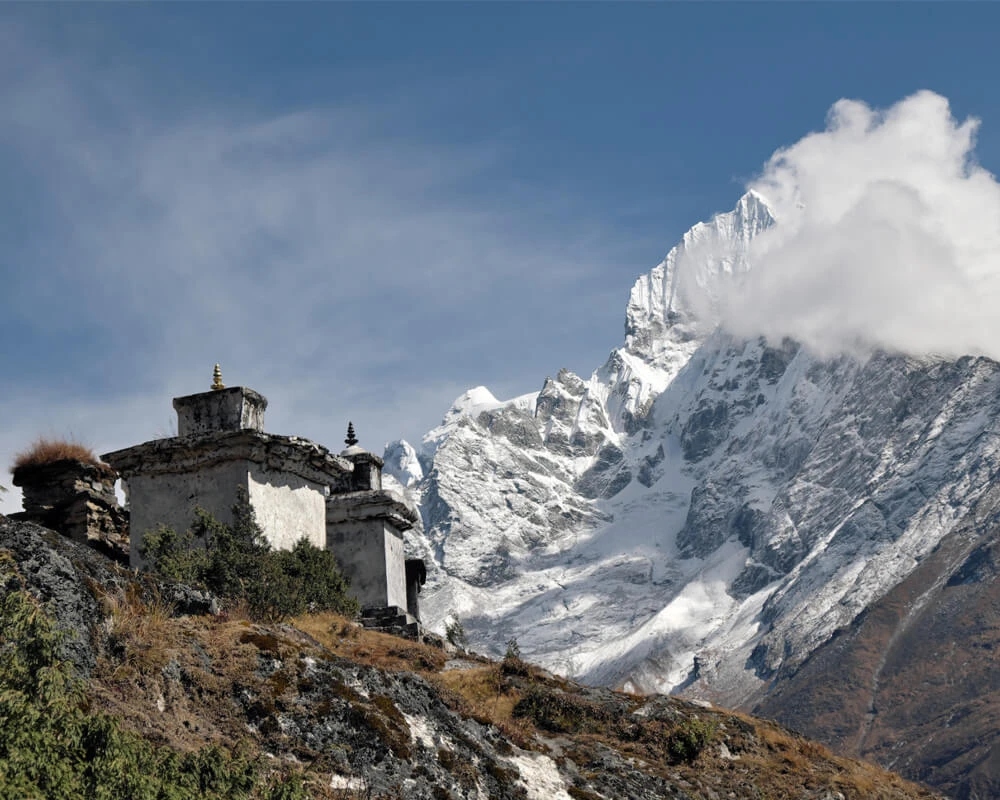
Situated entirely within Sagarmatha National Park, a UNESCO World Heritage Site, the trek offers breathtaking views of Mount Everest, Lhotse, Ama Dablam, Nuptse, and other Himalayan peaks, combined with immersive cultural experiences in Sherpa villages. It is ideal for you if you are seeking a short but rewarding Himalayan adventure without the extreme altitude and length of theEverest Base Camp trek.
The trek typically starts in Kathmandu, followed by a scenic mountain flight to Lukla Airport (Tenzing-Hillary Airport). From Lukla, the route passes through Phakding, which is a small riverside village where you can enjoy the tranquil Dudh Koshi river valley and traditional villages, before ascending to Namche Bazaar, the bustling Sherpa capital.
Namche is famous for its weekly market, local handicrafts, traditional wooden houses, and panoramic viewpoints. Here, you will often acclimatize and explore cultural sites such as the Sherpa Cultural Museum, Khunde Hospital, founded by Sir Edmund Hillary, and nearby monasteries.
From Namche, the trail leads to Khumjung Village, known for its ancient monastery and the display of the legendary Yeti scalp. The surrounding villages showcase the Sherpa lifestyle, including farming on terraced fields, caring for livestock, and crafting traditional goods.
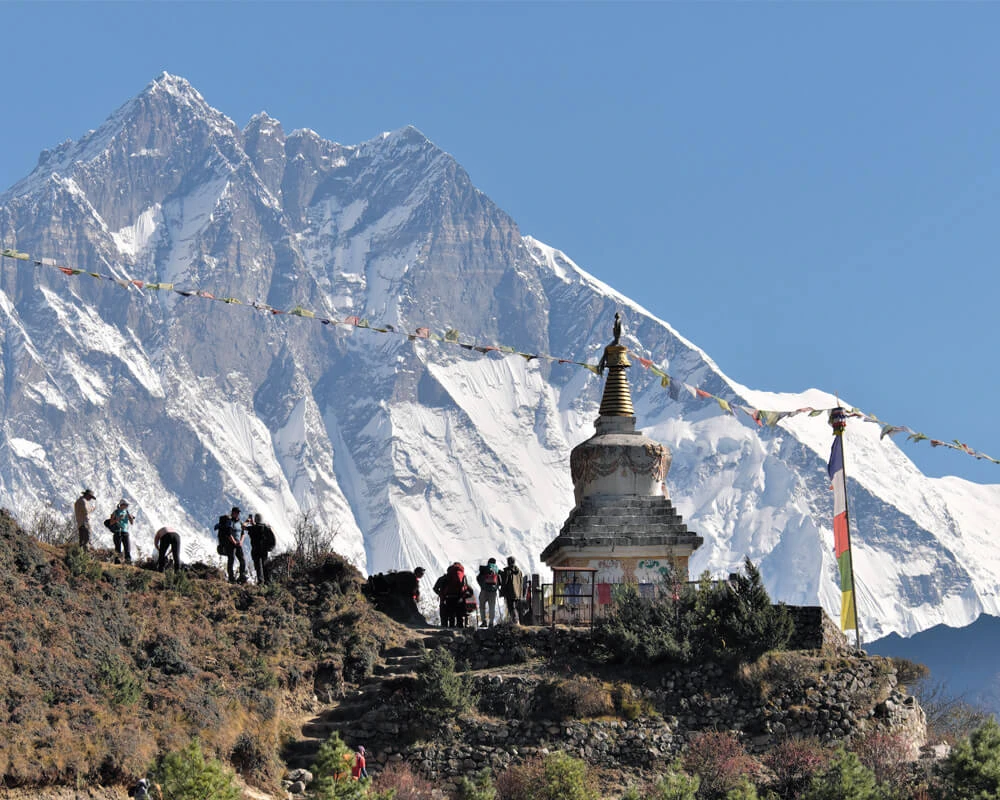
Along the trail, you may witness local festivals, such as Lhosar (Tibetan New Year) and Mani Rimdu. During these celebrations, you will get to observe Buddhist religious practices, with prayer flags, stupas, and daily rituals.
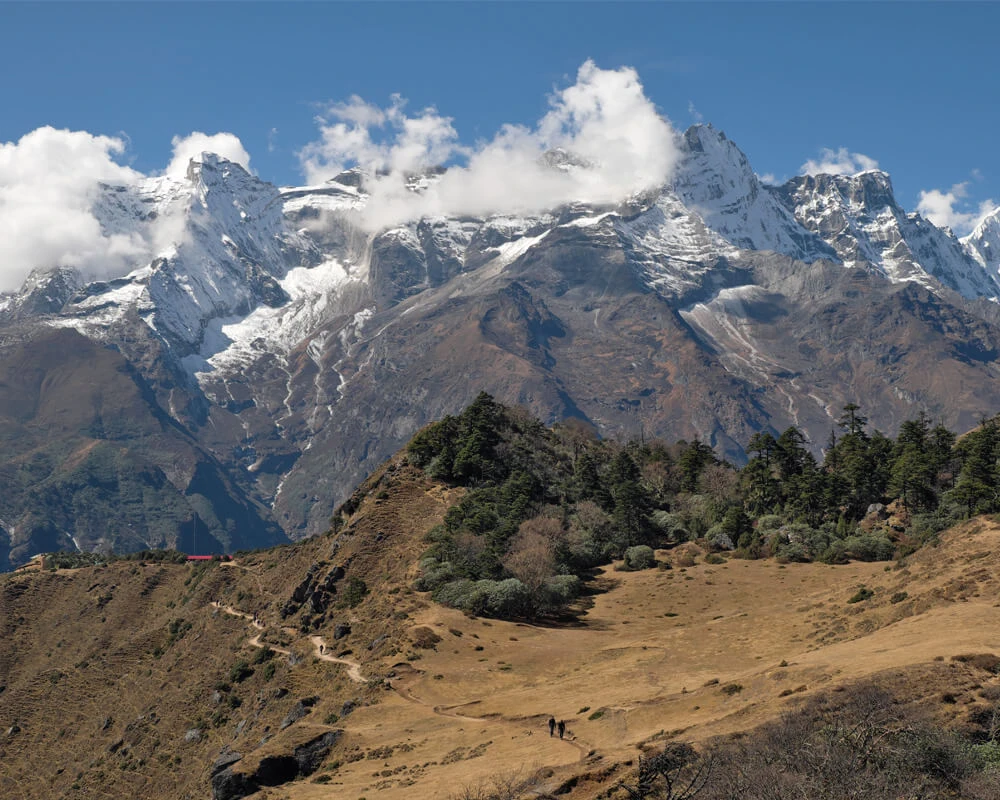
Moving on, the path includes well-maintained forest trails, river crossings, and iconic suspension bridges, offering a safe yet scenic hiking experience. The journey passes through lush rhododendron, pine, and oak forests, with occasional glimpses of Himalayan wildlife like Himalayan monals, musk deer, and red pandas.
Here, comfortable tea house accommodations provide meals and rest stops, allowing you to enjoy authentic Sherpa hospitality while soaking in mountain vistas.
The trek culminates at viewpoints near Everest View Hotel and surrounding vantage points, offering panoramic sunrises and sunsets over Everest, Lhotse, Ama Dablam, and the Khumbu region. From here, you will descend back to Lukla for the return flight to Kathmandu. The entire 7 to 8-day itinerary combines natural beauty, cultural immersion, and Himalayan panoramas, making it a perfect introduction to Nepal’s Everest region.
Who Is The Everest Panorama Trek Perfect For?
The Everest Panorama Trek is ideal for you if you are seeking a memorable Himalayan experience without the challenges of high-altitude trekking. It is perfectly suited for first-time trekkers who want to enjoy the majestic views of Mount Everest, Ama Dablam, Lhotse, and the surrounding Himalayan peaks in a manageable itinerary.
Families, older travelers, and small groups will also find this trek safe, accessible, and enjoyable, with moderate daily distances and comfortable tea house accommodations along the route. Even if you have limited time in Nepal, you can experience the beauty, culture, and panoramic vistas of the Everest region in just 7 to 8 days.
As a photographer, you will love this trek for its spectacular sunrise and sunset opportunities, scenic river valleys, and views from Everest View Hotel and surrounding vantage points. If you are interested in culture, tradition, and local lifestyle, you will enjoy exploring Sherpa villages, monasteries, prayer flags, and local festivals such as Lhosar (Tibetan New Year) and Mani Rimdu.
Even solo travelers, couples, or those preparing for higher-altitude treks like Everest Base Camp can benefit from this route as a gentle introduction to Himalayan trekking.
Why The Everest View Trek Is One Of The Best Short Treks In Nepal?
The Everest View Trek is considered one of Nepal’s best short treks because it combines spectacular Himalayan vistas, rich Sherpa culture, and accessible trekking into a manageable 7 to 8-day itinerary. It offers moderate trails, comfortable tea house accommodations, and panoramic viewpoints of Mount Everest, Lhotse, and Ama Dablam.
Scenic Kathmandu To Lukla Flight Experience
One of the most thrilling parts of this trek is the scenic flight from Kathmandu to Lukla. It is often described as a bucket-list experience for any Himalayan adventurer.
This Himalayan mountain flight offers breathtaking aerial views of Mount Everest, Lhotse, Nuptse, Ama Dablam, and the surrounding peaks before you even set foot on the trail.
As the small aircraft lifts off from Kathmandu, you are greeted with stunning vistas of terraced valleys, rivers, and traditional Sherpa villages, providing a first glimpse of the Khumbu region’s landscapes. The flight passes over snow-capped peaks, glaciers, and forested ridges, making it a spectacular introduction to Everest trekking in Nepal.
Landing at Lukla Airport (Tenzing-Hillary Airport) is an adventure in itself. Known as one of the most scenic and thrilling airstrips in the world, you will see the mountains rising dramatically around the runway. From the air, you may also catch glimpses of monasteries, prayer flags, and terraced farmlands, hinting at the rich Sherpa culture and traditions along the trail.
This approximately 35-minute flight is an immersive Himalayan experience.
Tips for a memorable flight:
- Book a window seat for unobstructed views of Everest and surrounding peaks.
- Choose morning flights for the clearest visibility and optimal photography conditions.
- Be prepared for a small aircraft experience and light turbulence during the approach to Lukla.
Panoramic Views Of Mount Everest & Himalayan Peaks
One of the most unforgettable experiences on the Everest Panorama Trek is the breathtaking panoramic views of Mount Everest and the surrounding Himalayan peaks. From the moment you step onto the trail, each viewpoint along the route offers a unique perspective of the world’s highest mountains.
The trek provides spectacular vistas of Mount Everest (8,848 meters) from multiple locations, including the Everest View Hotel,Namche Bazaar viewpoints, and forest ridge paths. From these spots, you can admire the towering south face of Everest.
Alongside Everest, you also see Lhotse (8,516 meters) and Nuptse (7,861 meters), which are both visible from Namche Bazaar and Everest View Hotel vantage points. Similarly, you will see the sharp peak of Ama Dablam (6,856 meters) dominate the skyline near the initial trail sections past Phakding.
Moving on, you will see Thamserku (6,608 meters) and Kongde Ri (6,187 meters) above forested ridges. Besides them, some other Himalayan panoramas you may see are Taweche, Cholaste, Pumori, and Khumbutse.
Now, the best times for panoramic mountain views are early morning and late afternoon, when the light creates striking contrasts, and visibility is clearest. For the best Himalayan views, you must visit during the peak season, and among them, the month of October provides the most reliable weather and crisp vistas.
Tips for trekkers:
- Plan for early morning hikes for sunrise lighting or late afternoon for golden hour photography.
- Carry a camera or smartphone with a zoom to capture distant peaks and valleys clearly.
Visit To Namche Bazaar, The Sherpa Capital
Namche Bazaar, often called the Sherpa Capital of Nepal, is the vibrant cultural and economic hub of the Everest region. Situated at approximately 3,440 meters / 11,286 feet, this bustling town is a highlight of the Everest View Trek and serves as a crucial acclimatization stop when you are heading into higher altitudes.
Known for its rich Sherpa culture, traditional markets, and panoramic Himalayan views, Namche Bazaar offers you a perfect mix of cultural immersion and scenic exploration. Historically, Namche Bazaar was a key trading crossroads between Nepal and Tibet, where Sherpa traders exchanged goods such as salt, grains, and textiles.
Today, it is a thriving hub of activity, blending traditional Tibetan-Buddhist heritage with modern trekking facilities. The town is famous for the Sherpa Cultural Museum, which showcases local history, mountaineering achievements, and the Sherpa lifestyle.
One of Namche Bazaar’s most famous attractions is the Saturday Market, which is a lively weekly event where locals sell fresh produce, handmade crafts, spices, and textiles. Also, walking along the town’s stone-paved paths and narrow alleys, you can interact with Sherpa families, watch daily life unfold, and experience the warm hospitality the region is known for.
The town is surrounded by stunning Himalayan vistas, which are easily visible from viewpoints aroundNamche. While here, you can enjoy scenic walks, short hikes to monasteries, and panoramic lookout points just outside the town, capturing sunrise and sunset over the peaks.
All in all, Namche Bazaar is also a gateway for trekking activities. It offers comfortable tea house accommodations, local eateries, cafes, and trekking gear shops.
Hike To The Famous Everest View Hotel
The hike to the famous Everest View Hotel (widely regarded as one of the highest hotels in the world) is one of the most iconic highlights of a short trek in Nepal. Situated at 3,880 meters / 12,795 feet, the hotel offers unparalleled panoramic views of Mount Everest, Lhotse, Ama Dablam, Nuptse, Thamserku, and Kongde Ri.
The hike to the Everest View Hotel typically starts from Namche Bazaar, taking approximately 3 to 4 hours along moderate, well-marked trails. This short side trek is also ideal for acclimatization before continuing higher.
At the hotel, you can soak in sweeping Himalayan vistas from its terrace, capturing stunning photographs of Everest and neighboring peaks at sunrise or during the golden hour. The hotel provides refreshments, light snacks, and cozy seating areas, allowing you to relax while admiring the mountains. From this vantage point, it’s also possible to observe Sherpa farming terraces, village life, and distant monasteries.
The Everest View Hotel holds historical significance as a gateway for mountaineers and trekkers, providing a comfortable stop while highlighting the Khumbu region’s natural and cultural treasures. Its construction symbolizes the integration of tourism, local culture, and Himalayan adventure.
Tips for trekkers:
- Hike in the early morning for the clearest views and crisp mountain air, or late afternoon for warm, golden lighting over the peaks.
- Allocate 30 to 60 minutes at the hotel to take photos, relax, and absorb the Himalayan panorama.
Explore Sherpa Culture & Himalayan Villages
The Everest View Trek provides an immersive journey into Sherpa culture and the traditional Himalayan villages that dot the Khumbu region. The Sherpa people, renowned for their mountaineering expertise and resilience, have inhabited the Everest region for over 500 years.
If you are visiting Sherpa villages like Khumjung, Namche Bazaar, and surrounding hamlets, you can experience daily life in these high-altitude communities. The Sherpas are known for their warm hospitality, skilled yak herding, and distinctive farming terraces, which thrive in the challenging Himalayan terrain.
Along the trails, you will see stone-paved paths, prayer flags, mani walls, and small chortens, which will provide a vivid glimpse into the spiritual life of the Sherpa people.
Here, the Sherpas speak Sherpa (a Tibetan dialect) and often Nepali and English, especially in trekking areas, and most of them practice Tibetan Buddhism.
As for their dress, you will mostly see them adorned in traditional attire that includes colorful aprons, skirts, and bead jewelry for women, and layered woolen jackets and hats for men.
Also, in these villages, you may come across important celebrations, such as Lhosar (Tibetan New Year) and the Mani Rimdu Festival. These festivals generally feature masked dances, rituals, and community feasts.
Now, Sherpas are traders, mountaineering guides, and farmers, known worldwide for their endurance, courage, and intimate knowledge of the Everest region.
Everest View Trek Cost & Package Price Breakdown
The total cost for the Everest View Trek is USD 1,090 per person, which provides a comprehensive package designed to cover all essential logistics.
This price includes accommodation in a 3-star hotel in Kathmandu, tea houses during the trek, all meals during trekking, an experienced certified guide, transportation by flight to and from Lukla (or an alternative flight from Ramechhap with road transfer), and all necessary permits. The package also includes pre-trek briefings and office support in Kathmandu.
While the package is all-inclusive, there are a few items not covered. These include porter hire, tips for your guide and porter, personal travel insurance, extra meals or drinks outside of the included plan, and any accommodation upgrades beyond the standard arrangement.
Booking this adventure with a professional trekking company, such as Nepal Trekking Experts, we ensure safety, convenience, and expert guidance. We ensure this short trek is ideal for beginners, solo travelers, families, and small groups seeking an unforgettable Himalayan adventure.
Cost Of Hiring Guide & Porter In The Everest Region
Hiring a guide and porter in the Everest region greatly enhances the overall trekking experience by improving safety, comfort, and cultural understanding along the trail.
While the Everest View Trek is considered a beginner-friendly Himalayan trek, navigating high-altitude terrain, managing logistics, and adapting to changing mountain conditions can still be challenging. For this reason, you should choose to hire experienced local staff.
A licensed trekking guide is highly recommended and, in many cases, essential for a smooth and safe trek. Guides are trained professionals certified by the Nepal tourism authorities, with strong knowledge of trekking routes, altitude awareness, local culture, and emergency procedures.
During the Everest Panorama Trek, your guide leads the trail, monitors acclimatization, arranges tea house accommodations, manages permits and checkpoints, and shares valuable insights about Sherpa history. Their presence ensures better decision-making in case of weather changes, altitude symptoms, or logistical challenges.
A porter, while not mandatory, is strongly advised if you want to enjoy the journey comfortably. Porters carry heavy luggage and trekking gear, allowing you to walk with a light daypack and conserve energy at higher elevations.
This reduces fatigue and helps you better adjust to altitude, especially for beginners, families, and travelers with limited trekking experience. Professional porters are physically fit, experienced in mountain trails, and accustomed to high-altitude conditions.
Now, the cost of hiring a guide in the Everest region is USD 35 per day, while a porter costs USD 25 per day. These rates typically include the staff’s salary, meals, accommodation, and insurance arrangements during the trek.
However, the daily rate does not include their tips, which are a customary part of trekking culture in Nepal. Therefore, you must tip around 10 to 15% of the total service cost, or more, depending on satisfaction and service quality.
Permits Required For The Everest Panorama Trek
Trekking in the Everest region requires official permits to ensure the protection of the environment, local communities, and the safety of visitors.
For the Everest View Trek, you need two main permits and both are mandatory.
- Khumbu Pasang Lhamu Rural Municipality Entrance Permit: It is issued by the local government and allows you to enter the Khumbu region. It costs NRs 3,000 per person and must be obtained in person at Lukla; it is not available in Kathmandu.
- Sagarmatha National Park Entry Permit: It is required for trekking within Sagarmatha National Park, a UNESCO World Heritage Site. This permit can be obtained either in Kathmandu at the Nepal Tourism Board Office or directly at the park entrance in Monjo. The cost is also NRs 3,000 per person.
For both permits, you will need to present a passport along with your trekking itinerary, passport-sized photos, and payment confirmation.
Also, both permits are essential for legal trekking in the Everest region and must be carried at all times during the trek. It is recommended to keep photocopies or digital copies for safety and verification purposes.
How Difficult Is The Everest View Trekking Route?
The Everest View Trek is widely regarded as one of Nepal’s most accessible and beginner-friendly Himalayan treks. It is classified as easy to moderate, as it provides a balanced combination of stunning mountain vistas, cultural experiences, and manageable physical challenges.
While the trail is mostly well-maintained with gentle ascents, you should be prepared for short steep sections, suspension bridges, river crossings, and stone paths along villages and forested areas.
The trek reaches a maximum altitude of approximately 3,880 meters / 12,795 feet near the Everest View Hotel and surrounding viewpoints. At this elevation, you may experience mild symptoms of high-altitude exposure, such as slight shortness of breath, fatigue, or minor headaches, but severe altitude sickness is rare due to the relatively moderate height.
Daily hiking time ranges from 3 to 6 hours, allowing you to enjoy scenic stops, acclimatization breaks, and cultural interactions without excessive strain.
Physically, the trek provides a moderate workout. Mentally, you will often report a sense of achievement, exhilaration, and awe.
Altitude Considerations & Fitness Requirements
- Follow the rule of “climb high, sleep low” when possible.
- Increase altitude gradually rather than rushing to higher elevations.
- Maintain hydration and avoid alcohol during high-altitude days.
- Monitor your body for signs of altitude sickness and rest if needed.
- A moderate level of cardiovascular fitness is recommended before the trek. Engage in activities such as regular walking, jogging, stair climbing, hiking with a backpack, or cardio workouts.
- Focus on leg strength, core stability, and overall endurance to handle daily walking of 3 to 6 hours on varied terrain.
- You may feel shortness of breath, slightly elevated heart rate, and fatigue on steeper sections. Light pacing, frequent breaks, and using trekking poles can make the experience comfortable.
- Practice long walks or hikes with a daypack to simulate trekking conditions.
How To Book The Everest View Trek?
Booking the Everest View Trek with Nepal Trekking Experts is simple. To confirm your trek, you need to send a deposit of 10% of the total cost, along with a copy of your passport and your flight details if available.
The deposit can be transferred safely online through our website, and once completed, you will receive an instant confirmation and receipt via email. The remaining balance can be paid upon arrival in Kathmandu.
If you have any other queries, our team of trekking specialists is available to answer any questions, provide guidance, and customize your Everest View Trek experience according to your preferences.